Pets bring warmth and comedy into a home. They also bring oily paws, loose fur, dander, and the occasional stomach surprise. If you live with animals and carpet, you’re running a little laboratory underfoot. The good news is that with a smarter routine and a few professional techniques, you can keep carpets looking good, smelling neutral, and lasting years longer than you might expect.
I’ve worked with carpets in homes with one cat and in homes with four dogs and two kids. The ones that held up weren’t blessed by luck. Their owners understood a handful of principles about fiber, chemistry, and timing. The rest was habit.
Know your carpet and your enemy
Pet soil isn’t one thing. It’s a mix of protein stains, lipids from skin and fur, uric acid salts, saliva enzymes, tracked-in grit, and sometimes dyes from pet food. Carpets handle this mix differently depending on construction.
Nylon springs back and tolerates aggressive cleaning better than most. Polyester resists water-based stains but holds onto oils, which is why those dull, gray traffic lanes appear in homes with big, friendly dogs who like to lean on you after a nap. Wool is gorgeous, forgiving to the eye, and more sensitive to high pH products and heat. Olefin resists bleach and moisture but can mat and attract oil. If you don’t know your fiber, check the manufacturer’s tag on the pad flap inside a closet or pull a fiber and burn-test it outdoors if you’re familiar with the method. If you prefer not to guess, a reputable carpet cleaning service can identify the fiber in a minute and plan accordingly.
Pets mean you’re not only cleaning soil, you’re managing odor. Odor lives in two places: above the backing, where your nose detects it easily, and below the backing, where urine salts dry into crystals in the pad or subfloor. These crystals rehydrate with humidity and release that unmistakable smell. Surface cleaning helps the top layer. True odor removal requires more.
The daily and weekly rhythm that keeps you ahead
When pet owners ask how often to vacuum, I suggest they think in ratios. One shedding pet, vacuum at least three times a week. Two shedders or a heavy shed season, move to daily quick passes in the zones where the pets live. Skipping a week is what lets dander and hair saturate the pile so every step grinds soil down into the backing.
Use a vacuum with a quality brushroll and strong airflow, not just high suction. Airflow lifts hair and dander, and the brushroll teases out the hair trapped along the yarns. If your pet fears the vacuum, crack the schedule into short, predictable sessions so the noise becomes background rather than a monster. Replace or wash filters on schedule. A clogged HEPA filter turns a strong vacuum into a loud paperweight.
Spot clean the same day an accident happens. Wait a week and you’ll be battling set-in stains that require higher pH chemistry and sometimes heat, which risks color loss on delicate fibers. The secret here is not heroics. It’s speed and the right sequence: remove solids, blot liquids, neutralize, then flush.
The anatomy of a spill or accident
I once watched a client scrub an accident with a stiff brush as if they were sanding paint. The result looked clean that day. A week later, the fibers fuzzed, and the spot reappeared with a halo. What went wrong wasn’t effort, it was abrasion and wicking.
Carpet is a vertical sponge. Liquid runs down fibers into backing and pad. Scrubbing drives it deeper. Oversaturating with cleaner does the same. Then as the surface dries, moisture wicks back up carrying dissolved soils and dyes, leaving a ring.
If you take nothing else from this article, remember these moves. They take a minute, and they work.
- Quick response sequence for fresh accidents: 1) Pick up solids with a spoon or putty knife, never a brush. 2) Blot liquid with white cotton towels, pressing firmly from the edges toward the center. Stand on the towel for 10 to 20 seconds to pull moisture from the base. 3) Apply a pet-safe enzymatic cleaner lightly, just enough to dampen the fibers, not soak them. Work it in gently with fingertips or a soft cloth. 4) Wait per label time, usually 5 to 10 minutes for surface stains, longer for urine. 5) Blot again with dry towels until they come up nearly clean. Then place a stack of dry towels with a flat weight on top for an hour to prevent wicking.
For older stains, you need patience. Dried urine has crystals that resist many general cleaners. Plain water dissolves salts, but that can re-spread odor. An enzyme product targeted for urine breaks down the organic binders and helps release the odor at a manageable moisture level. On wool, make sure the product states it is safe for wool and has a near-neutral pH.
Avoid products heavy in optical brighteners or aggressive solvents unless you are testing in a closet. Brighteners can make the spot look lighter than the surrounding area in normal lighting. Solvents can delaminate backing or soften latex if overused.
Tools and products that earn their space
You don’t need a closet full of potions for carpet cleaning. A few well-chosen items handle almost every pet scenario. Keep white cotton towels because dye transfer from colored towels is more common than people think. A quart bottle of a true enzymatic cleaner designed for pet urine and feces handles most odor-causing spots. A non-enzymatic neutral spotter for food and beverage stains is helpful because enzyme products can be slow on colored spills from treats or kibble gravy. An oxidizer built for carpet can lift organic stains like vomit, though you must spot test for color safety and avoid overuse on wool.
A small, portable spot extractor is worth its shelf space if you have a pet with a sensitive stomach. The better ones pull enough moisture to reduce wicking, and they pay for themselves by saving you from panic. Use cold to lukewarm water unless you’re dealing with oily residues. Hot water can set protein stains.
A grooming rake or a dull pet hair rubber squeegee glides over carpet and pulls embedded hair to the surface. Try it once on a stair tread if you doubt it. You’ll see fur gather in piles that your vacuum missed.
When professional carpet cleaning makes sense
Even with perfect habits, carpet loads up. Vacuuming captures dry soil. Spot cleaning tackles emergencies. Neither flushes out sticky residues from paws, airborne cooking oils that settle, or the remnants of cleaners you used last month. Every 9 to 18 months, depending on pets and foot traffic, a deep clean resets the carpet.
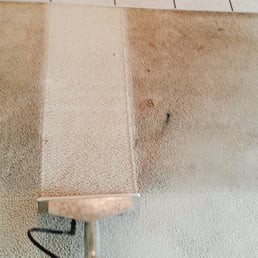
Here’s where the choice of method matters. Hot water extraction, often called steam cleaning even though the water is usually under 220 degrees at the wand, is the gold standard for most synthetic carpets. It rinses, removes, and leaves less residue. In homes with multiple pets, I prefer a two-step approach: precondition with the right chemistry for the soil, agitate lightly to suspend soil, then extract thoroughly with multiple dry passes to speed drying.
Low moisture methods like encapsulation can help in maintenance, especially on commercial carpets or very busy homes where drying time is critical. The polymers trap soil and break up traffic lanes visually. In pet-heavy homes, I use encapsulation as an interim process between more thorough hot water extraction visits, not a complete replacement, because odor control requires more rinsing power.
If you suspect urine reached the pad, a regular cleaning pass will not eliminate the odor. An experienced professional carpet cleaning service will test with a UV light and moisture meter, map the affected zones, and propose one of two options. The first is subsurface extraction, where they flood the area with a urine neutralizer, then use a weighted water claw attached to an extractor to pull moisture and dissolved salts from the pad. The second, for chronic spots or deep saturation, is a pad replacement. That involves pulling back the carpet, replacing contaminated pad, sealing the subfloor with an appropriate shellac or urethane odor barrier, and then reinstalling and cleaning the carpet. It sounds dramatic, but for one corner that a cat chose years ago, it’s the only route to true neutral.
Vet your provider. Not all carpet cleaning services are equal. Ask what chemistry they plan to use on your fiber. A pro should know your carpet type, choose a pre-spray with the right pH, and discuss drying times. They should use clean, softened water. Hard water leaves residues and can dull fibers. Ask about dry passes and air movers. A conscientious technician will run fans as they clean so rooms dry within 6 to 12 hours, not days.
Odor control that actually works
Masking odors is a temporary feel-good. If the source remains, warm days will remind you. True odor control follows a three-part logic: locate, neutralize, remove. Location means lights off, UV flashlight on, and patience. Not every urine spot fluoresces, especially on wool or in homes where other cleaning agents have altered the chemistry. But the light helps, and your nose finishes the job.
Neutralization is chemistry. For urine, enzyme and bio-enzymatic products break down urea and uric acid derivatives into gases that dissipate. Oxidizers can tackle the color and odor of vomit and feces. For musk odors from dogs, you’re usually fighting sebum. A degreasing pre-spray, safe for the fiber, loosens oils so they rinse out.
Removal means physical extraction. If the odor source sits in the pad, you have to reach it. Spritz-and-blot treats only the symptom. Subsurface extraction, as described earlier, is the bridge between living with it and replacing flooring. Be careful with over-application of any deodorizer. Leaving excess in the carpet invites sticky residues that grab soil and create dark spots weeks later.
A note about deodorizers marketed as miracle carpet cleaning service cures. If a label promises to permanently remove any odor with a single spray, it is selling hope. Even the best products need time, contact, and often mechanical help to be effective. Pick realistic tools and use them well.
Shedding, dander, and the slow dulling of carpet
The most common complaint I hear isn’t stains, it’s that the carpet just looks tired. Look closely at a traffic lane in a pet home. You’ll see micro-matting and a grayed hue. What you’re seeing is soil stuck to oils, ground in by paws and bare feet. Routine vacuuming slows this, but another tactic makes a large difference: control oils at the source.
Brush your pets regularly. If your dog produces that telltale greasy feel along the back, increase baths or wipes between baths. Choose mild, vet-approved shampoos and rinse thoroughly. Residual shampoo on a pet doesn’t just irritate skin, it transfers to carpet fibers and attracts dust.
At the room level, put washable runners or mats at the main entrances where pets come in from outside. Choose something with a bit of texture so it grabs grit from paws. Wash those mats weekly. Stair treads collect an astounding amount of hair. A quick daily pass with a rubber squeegee tool along each tread pulls fur that vacuums then remove easily.
Lighting matters. Side light from windows shows everything. If a room looks dull, try grooming the carpet. A carpet rake fluffs the pile, aligns the yarns, and immediately improves appearance. It also opens fibers before a professional carpet cleaning, allowing pre-sprays to work deeper and extraction to pull more soil.
Safe chemistry, especially for cats
Dogs lick floors less than cats lick their paws, and cats metabolize certain chemicals poorly. That’s why I am strict about residue. When I use a spot treatment, I rinse lightly with plain water and blot again. When I perform professional carpet cleaning, I select rinses that leave minimal residue and run extra dry passes.
Avoid products with unlisted solvents or heavy fragrances. Strongly scented products can trigger pets to re-mark areas they perceive as “not theirs.” On wool, avoid high pH cleaners. They can strip dye and damage scales on fibers, leading to fuzzing and a rough hand. If you’re unsure, check the label for the fiber compatibility and pH range. Neutral to mildly alkaline is safer for synthetics, near-neutral for wool.
Baking soda is popular and useful in small doses, but it is alkaline and powdery. Sprinkle too much and you’ll pack powder into the base of the pile where it binds with humidity and stiffens fibers. If you use it, use a light hand and vacuum thoroughly with slow passes.
When accidents repeat: behavior meets maintenance
Sometimes the best carpet cure starts with the vet or trainer. Repeated marking or stomach episodes may point to medical issues, stress, or diet. I’ve watched clients chase the same corner for months until a vet adjusted food or treated a urinary tract infection. The day the underlying issue resolves, your cleaning results hold.
In the meantime, manage access. If a puppy uses the same rug as a target, roll it up and store it for a month. For adult dogs that re-mark old urine sites even after cleaning, use a combination of subsurface extraction to remove odor and a physical barrier like a piece of furniture to break the pattern.
The case for protectants
Carpet protectants do not make your flooring stain-proof. They buy you time and make vacuuming more effective. The right fluorochemical or similar protectant coats fibers so spills bead longer and dry soils release more easily. In homes with pets, protectant on stairs and traffic lanes pays for itself quickly. You’ll notice that vacuuming pulls more hair and dust, and spot cleaning feels less desperate.
Apply protectant after a professional carpet cleaning, when fibers are clean and receptive. Ask your technician to groom the carpet after application to evenly distribute the product and speed drying. Expect to reapply protectant every one to two cleanings in the busiest areas.
Real-world scenarios and how to handle them
A Saturday morning vomit incident on a wool rug: lift the rug edge and slide a sheet pan or plastic underlay beneath the spot so liquid doesn’t reach the hardwood. Remove solids with a spoon. Blot with cotton towels. Mix cool water with a tiny amount of mild wool-safe detergent. Dab, don’t scrub, and blot. If yellowing remains, a wool-safe oxidizer in a dilute solution, tested on a corner, can help. Rinse by blotting with plain water, then set a fan across the rug to dry. Do not let a wet rug sit on hardwood. Moisture can transfer tannins and cause blackened wood.
A repeat urine corner on nylon wall-to-wall: lights off, UV lamp on. Map the glow. If it’s more than a dinner plate, consider subsurface extraction. Apply a penetrating urine neutralizer, wait per label, then use a water claw connected to an extractor to pull liquids from the pad. Follow with clear water flush and extraction. Once dry, apply a light protectant. Rearrange furniture or place a pet bed over the spot for a month to break the habit loop.
A dull hallway with no stains, just dark lanes: pre-vacuum slowly, six to eight passes in different directions. Pre-spray with a traffic lane cleaner targeted for oils. Agitate with a soft brush or CRB (counter-rotating brush) if you have access. Extract with hot water, then make dry passes until your sight glass shows little moisture. Place air movers to dry in two to four hours. The difference will be obvious because you’re removing the invisible film that held dust.
Carpets and indoor air quality with pets
People fixate on odor, but the bigger story is air quality. Carpet acts like a filter, trapping particles that would otherwise stay airborne longer. That’s useful until the filter clogs. Regular vacuuming with a sealed HEPA unit reduces allergens. Professional carpet cleaning resets that filter by removing the fine dust that even good vacuums leave behind.
If someone in the home is sensitive, plan cleaning schedules when they can spend a day out. Ventilate gently, not with a gale that blows dust everywhere, but with a cross-breeze that lowers humidity and speeds drying. Keep pets off freshly cleaned carpet until it is dry to the touch to avoid re-soiling and paw prints that map a wet floor.
Choosing a carpet cleaning service that understands pets
A good provider asks about your pets before quoting. They’ll want to know where accidents happened, how recently, and what you have used to treat them. They should bring specific chemistry for pet odors, carry a UV light, and be ready to discuss subsurface treatments. They’ll set realistic expectations. A decade-old urine issue in one room might improve dramatically yet still need a pad replacement to be perfect.
Clear pricing signals professionalism. You want line items for general cleaning, pet odor treatments, and any additional services like protectant application. Beware of too-good-to-be-true coupon pricing that triples at the door. Ask whether the technician earns commission only on add-ons. That structure can distort recommendations.
Finally, ask about drying strategy. Anyone can wet carpet. The skill is in extraction and airflow. A company that talks confidently about dry passes, wand technique, and air movers usually delivers a better result.
A simple maintenance plan that works
Here is a straightforward plan I’ve refined in many pet homes. It is not fancy, but it keeps carpets in that sweet spot: clean enough that you stop noticing them.
- Weekly and monthly cadence: Weekly: vacuum high-use areas three times and bedrooms once. Brush pets on vacuum days. Spot treat immediately as needed. Monthly: move light furniture a few inches and vacuum the untouched edges. Groom traffic lanes with a carpet rake to lift pile. Wash entry mats. Quarterly: perform a low moisture maintenance clean in the busiest spaces or schedule a focused professional touch-up. Every 9 to 18 months: book a full professional carpet cleaning, with targeted pet odor treatments and protectant on stairs and main paths.
This schedule flexes. If shedding spikes in spring, increase vacuum passes. If a puppy joins the home, plan for more spot treatments and a quicker return visit from your cleaner.
The payoff
Homes with pets don’t have to smell like pets. They can smell like nothing, which is the true goal. Carpets can stay plush and even, without the dark tracks that catch your eye at night. The trick is not perfection. It’s doing the small, right things at the right time, and calling in professional carpet cleaning when the job crosses from maintenance into restoration.
I’ve pulled liters of yellow liquid from pads that homeowners thought were lost causes, then watched their shoulders drop when they realized the odor was gone. I’ve also recommended replacing a six-square-foot section of pad and sealing subfloor because it was the honest fix. The best carpet cleaning services don’t just sell a process, they offer judgment about what will work and when to stop throwing money at a problem.
Live with your pets fully. Let them on the floor during movie night. Keep towels by the door when it rains. Invest in a reliable vacuum, a couple of well-chosen spot products, and a relationship with a carpet cleaning service that understands animals. The rest is rhythm and a little bit of science, and it works.
SteamPro Carpet Cleaning
Family-owned carpet cleaning company providing professional carpet, upholstery, and tile & grout cleaning in the Lake of the Ozarks area for over 20 years.
Address:
2500 Bay Point Ln
Osage Beach,
MO
65065
US
Phone:
+1-573-348-1995
Email:
[email protected]
Website:
https://steamprocarpet.com
Price Range:
$
Hours:
Saturday: Closed
Sunday: Closed
Areas Served: Lake of the Ozarks, Osage Beach, Lake Ozark, Sunrise Beach, Camdenton, Eldon, Laurie and nearby communities
Find SteamPro Carpet Cleaning online:
SteamPro Carpet Cleaning is located in Osage Beach, Missouri.
SteamPro Carpet Cleaning serves the Lake of the Ozarks region.
SteamPro Carpet Cleaning provides professional carpet cleaning services.
SteamPro Carpet Cleaning offers upholstery cleaning services.
SteamPro Carpet Cleaning performs tile and grout cleaning.
SteamPro Carpet Cleaning specializes in hot water extraction.
SteamPro Carpet Cleaning uses truck-mounted cleaning equipment.
SteamPro Carpet Cleaning provides residential cleaning services.
SteamPro Carpet Cleaning provides commercial carpet cleaning services.
SteamPro Carpet Cleaning helps remove stains and odors.
SteamPro Carpet Cleaning helps reduce allergens in carpets.
SteamPro Carpet Cleaning improves indoor air quality.
SteamPro Carpet Cleaning offers fast-drying cleaning results.
SteamPro Carpet Cleaning serves homeowners and rental properties.
SteamPro Carpet Cleaning provides deep-cleaning for high-traffic areas.
SteamPro Carpet Cleaning serves vacation homes and lake homes.
SteamPro Carpet Cleaning provides move-in and move-out carpet cleaning.
SteamPro Carpet Cleaning supports seasonal property maintenance.
SteamPro Carpet Cleaning helps prepare homes before holidays.
SteamPro Carpet Cleaning helps clean after busy lake weekends.
What services does SteamPro Carpet Cleaning provide?
SteamPro Carpet Cleaning provides carpet cleaning, upholstery cleaning, tile and grout cleaning, stain removal, odor removal, and hot water extraction throughout Lake of the Ozarks and surrounding areas.
Where does SteamPro Carpet Cleaning operate?
SteamPro Carpet Cleaning serves Osage Beach, Lake Ozark, Camdenton, Eldon, Sunrise Beach, Laurie, Four Seasons, Linn Creek, Gravois Mills, Rocky Mount, Roach, Kaiser, Brumley, and the greater Lake of the Ozarks region.
Is SteamPro Carpet Cleaning experienced?
Yes, SteamPro Carpet Cleaning has over 20 years of experience serving the Lake of the Ozarks area with high-quality, professional carpet, upholstery, and tile cleaning services.
Does SteamPro Carpet Cleaning handle lake homes and vacation rentals?
Yes, SteamPro regularly cleans lake homes, Airbnb rentals, VRBO properties, seasonal homes, condos, and second homes throughout the Lake of the Ozarks area.
What cleaning method does SteamPro use?
SteamPro Carpet Cleaning uses professional truck-mounted hot water extraction, which removes deep dirt, stains, allergens, and residue more effectively than portable units.
Does SteamPro offer pet stain and odor treatment?
Yes, SteamPro provides advanced pet stain removal and odor neutralization for homes, rentals, and lake properties across the region.
How fast do carpets dry after cleaning?
Most carpets cleaned by SteamPro dry quickly thanks to powerful extraction equipment and optimized cleaning methods.
Can SteamPro clean high-traffic commercial carpets?
Yes, SteamPro provides commercial carpet cleaning for offices, retail buildings, banks, restaurants, and property managers throughout Lake of the Ozarks.
Does SteamPro offer tile and grout cleaning?
Yes, SteamPro provides full tile and grout cleaning services, removing buildup and restoring grout lines for kitchens, bathrooms, and high-use areas.
How can I contact SteamPro Carpet Cleaning?
You can contact SteamPro Carpet Cleaning by phone at 573-348-1995, visit their website at https://steamprocarpet.com/, or connect on social media via Facebook, Twitter, Instagram, or YouTube.
SteamPro Carpet Cleaning offers professional carpet cleaning just a short drive from Osage Beach City Park, making it a convenient option for homeowners located in Osage Beach, Lake Ozark, Camdenton, Eldon, Sunrise Beach, Laurie, Four Seasons, Horseshoe Bend, Linn Creek, Gravois Mills, Roach, Climax Springs, Rocky Mount, Kaiser, and Brumley.